Shopify Speed Optimization: The Complete Guide

· 20 min read
Kashish Kumawat
CEO @ SpeedVitals

Shopify Speed Optimization

Shopify speed optimization is not about chasing a perfect Lighthouse score once and forgetting about it.

For most Shopify stores, speed problems come from a few repeat offenders: heavy themes, too many apps, oversized images, third-party scripts, render-blocking CSS, web fonts, and dynamic widgets that shift the page after it loads.

How to Reserve Space to Prevent Layout Shift

· 24 min read
Kashish Kumawat
CEO @ SpeedVitals

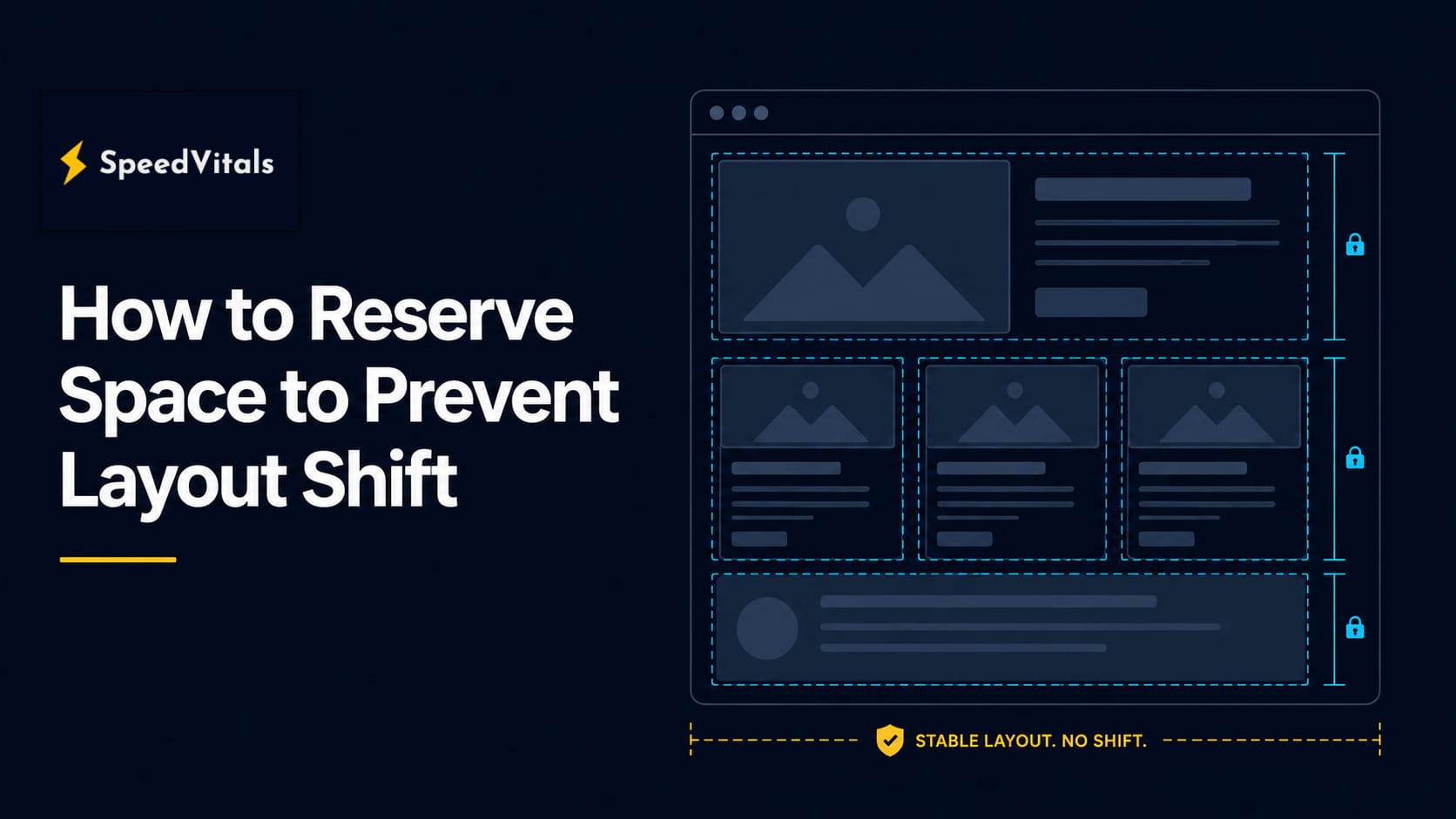
Reserve Space to Prevent CLS Header

If you found this article, you probably saw a warning about layout shift, CLS, or "Avoid large layout shifts" while testing your website.

In simple terms, some element on your web page has moved after the page has already started loading. It could be an image, ad, iframe, font, cookie banner, product card, or any content loaded by JavaScript.

This is not just a small visual issue. When content moves unexpectedly, users lose their reading position, click the wrong element, or feel that the page is unstable.

FlyingPress vs WP-Rocket - Which is better?

· 15 min read
Kashish Kumawat
CEO @ SpeedVitals

FlyingPress vs WP-Rocket

A WordPress performance plugin should not be judged by one clean PageSpeed Insights screenshot. For a practical example of plugin-led optimization, check the walkthrough on improving WordPress Web Vitals.

That screenshot is useful. It shows what happened in a controlled lab run. But your visitors do not all use the same device, network, location, theme path, checkout flow, or third-party script timing. Core Web Vitals are judged in the field, across real users.

AVIF vs JPEG-XL - Which Image Format is Better?

· 17 min read
Kashish Kumawat
CEO @ SpeedVitals

AVIF vs JPEG-XL

JPEG-XL and AVIF are two of the most advanced modern image formats available today. Both aim to replace older formats like JPEG and PNG by delivering smaller file sizes without sacrificing image quality. Choosing between the two, however, is not straightforward. They were built on different codecs, have different levels of browser support, and perform differently depending on the type of image and use case.

If you care about web performance, Core Web Vitals, and delivering the best possible experience to your visitors, picking the right format matters more than ever. If you want the more practical production comparison first, start with our WebP vs AVIF guide.